Temperature trouble
A cabinet that runs warm, cycles constantly or struggles after a busy period needs a closer look. Have your temperature readings and the time the problem started ready when you call.
Reach-in coolers and freezers work hard every shift. When temperatures drift or the equipment stops keeping up, start with a conversation about what has changed.
Serving the greater Charlotte area. Call to confirm availability.
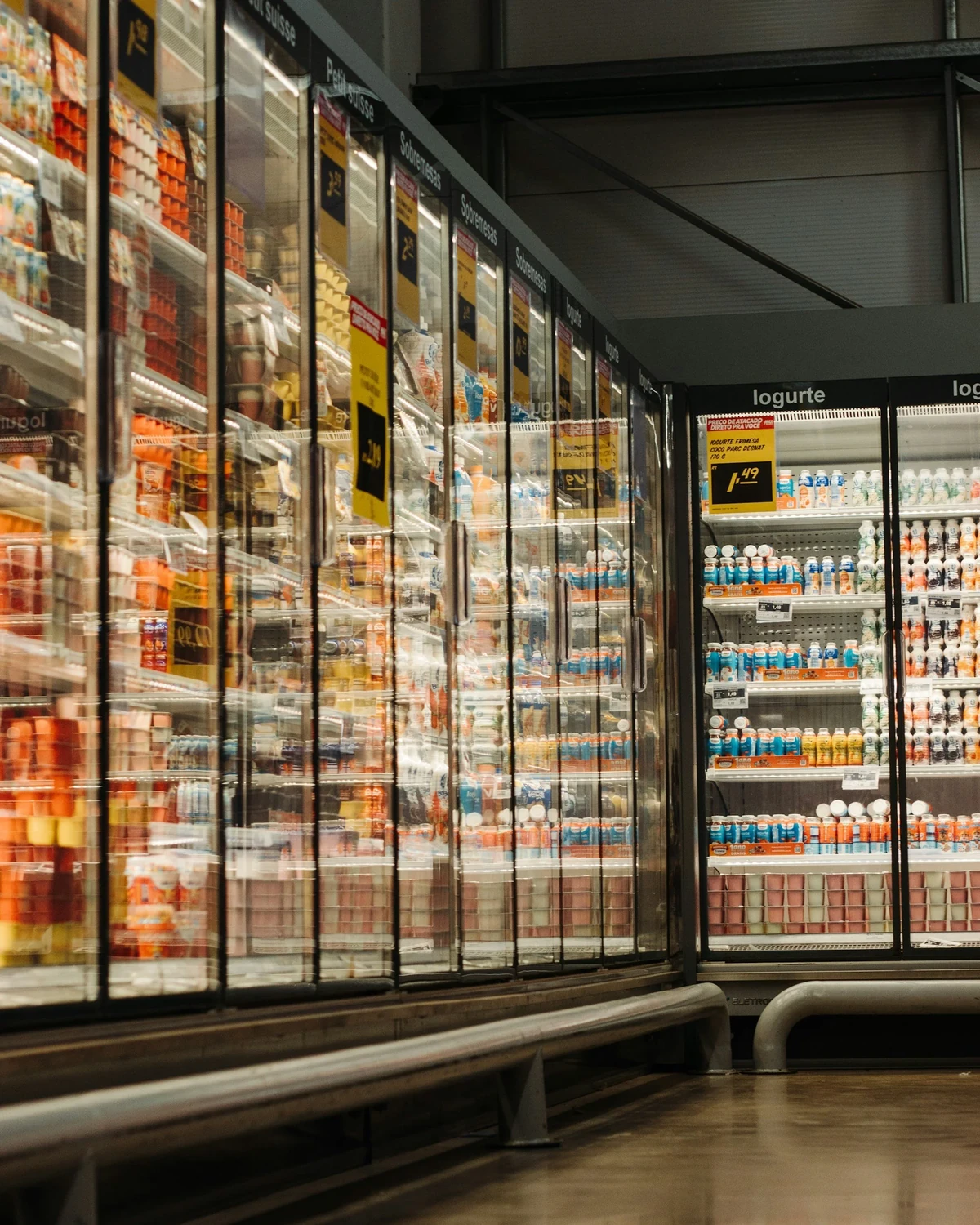
A cabinet that runs warm, cycles constantly or struggles after a busy period needs a closer look. Have your temperature readings and the time the problem started ready when you call.
Excess frost, pooled water and weak airflow can have different causes. Tell us where you see the problem; avoid removing panels or chipping ice from the equipment.
Damaged gaskets, doors that do not close fully and blocked interior airflow can affect performance. Describe the cabinet type, door count and how it is used.
Yes. Call to discuss your reach-in cooler or freezer, including the model and symptoms, so equipment suitability and scheduling can be confirmed.
Follow your business’s food-safety procedures and applicable health guidance. Do not assume food is safe based on appearance or a later return to normal temperature.
Record the displayed temperature, the setpoint and any independent readings already available. Note whether the change followed stocking, a door left open or a power interruption. One reading alone does not identify the fault or establish food safety.
From normal operating areas, check whether stored products block interior vents or keep a door from closing. Note damaged gaskets, water location and visible frost. Do not chip ice, bypass controls or attempt refrigerant or electrical work.
Tell us if one cabinet is affected or several units are warming at once. Include room conditions and recent changes in use. Airflow, controls, defrost and refrigeration-system faults need different checks; a warm cabinet does not by itself prove low refrigerant.
For service in the greater Charlotte area, call with the equipment location and model. Coverage, scope and scheduling are confirmed directly.
Tell us what is happening and where you are located. We’ll discuss the service scope and scheduling directly.