Cooling & airflow concerns
Warm supply air, poor airflow and uneven indoor conditions can have different causes. Explain whether one area or the whole space is affected.
When a rooftop HVAC unit is not keeping a commercial space comfortable, the right starting point is the unit information, the symptoms and a safe access plan.
Serving the greater Charlotte area. Call to confirm availability.
Warm supply air, poor airflow and uneven indoor conditions can have different causes. Explain whether one area or the whole space is affected.
Identify the rooftop unit serving your space and share the model if you already have it on file. Confirm the exact RTU service scope when arranging a visit.
Tell us about roof access, building contacts and any site requirements. Do not climb onto a roof to collect information; use existing records instead.
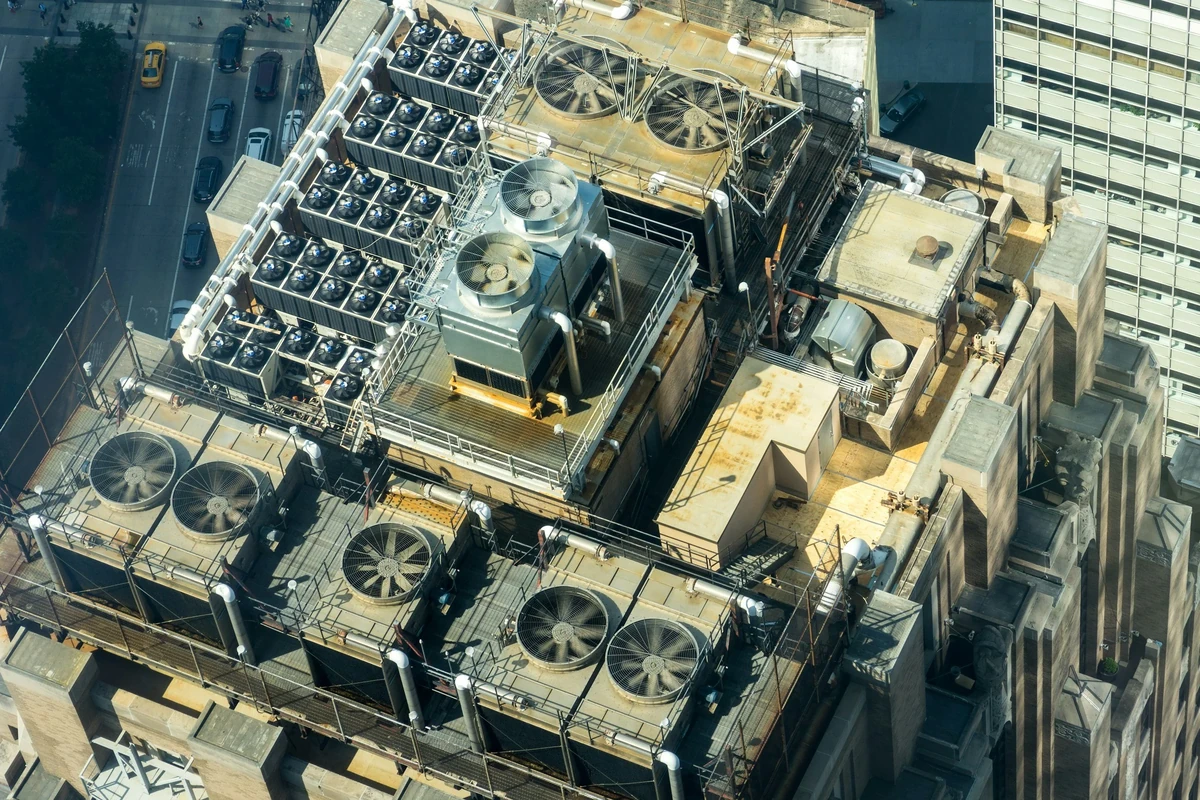
The photo is existing website imagery used to illustrate commercial cooling equipment. It is not presented as a completed project or a specific packaged RTU.
No. Share the information you can obtain safely from the thermostat, building records or facilities contact. Roof access should be handled by appropriately equipped personnel.
Tell us whether one room, a tenant suite or the entire building is affected. Record thermostat settings, displayed alerts and when cooling changes during the day. Existing building records may identify the unit serving the affected area without anyone going onto the roof.
Weak airflow and air that moves normally but feels warm are useful separate observations. Note unusual indoor noises or visible water from a safe location. These observations help frame diagnosis; they do not establish whether a fan, control, refrigerant circuit or another component has failed.
Have the property or facilities contact available and describe approved access arrangements, operating hours and tenant restrictions. Do not climb a ladder or roof to collect a model number. Confirm the unit type and requested work before assuming replacement, crane work or other installation services are included.
For service in the greater Charlotte area, call with the equipment location and model. Coverage, scope and scheduling are confirmed directly.
Tell us what is happening and where you are located. We’ll discuss the service scope and scheduling directly.